
Atlas of new professions studied construction industry of Kazakhstan at all stages: from engineering surveys and design, construction and installation works to construction materials, equipment and machinery at a construction site.
To create an atlas of new professions in the construction industry was conducted: 10 in-depth interviews, questionnaires on forecasts for the future of the industry with 181 industry experts, as well as 63 experts participated in foresight sessions.
Following the results 17 new professions were developed, 8 transforming and 16 disappearing professions were defined.
Created on the basis of foresight forecasts of industry experts
interviews
expert advice
foresight sessions
Atlas of construction industry professions:
professions
professions
professions
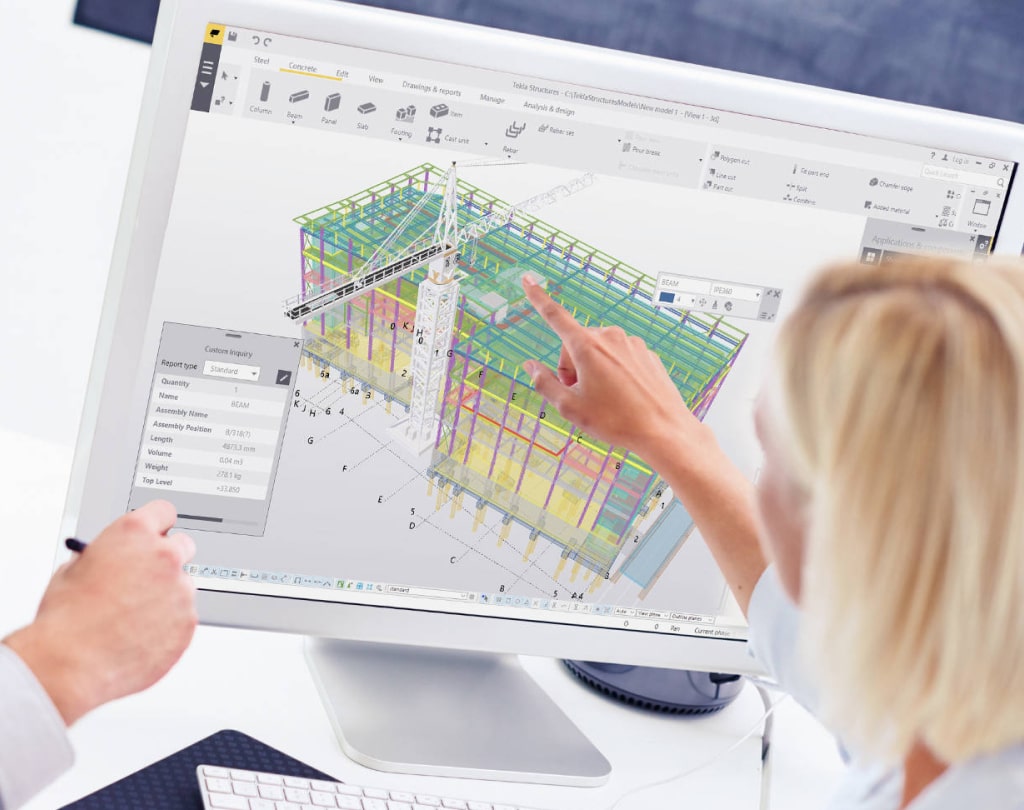
1. DIGITALIZATION OF TECHNOLOGICAL STEPS
Do you know how architectural models of buildings are made? Reduced by a hundred or two hundred times the copies of houses that are going to be built? If to describe the whole process in short, then first all information about the object is collected in digital format, then a special technique produces on digital "patterns" of the components. And here the masters collect, as a designer Lego, a reduced copy of the building. Not dusty, not noisy, not heavy, but fast and accurate, right?
Why should everything be different in reality, on a construction project? "Numbers", robots, 3D printers will help to correct the heavy nature of the construction industry!
First, a team of design engineers will implement an architectural design with the "figure", and do it in the smallest detail, taking into account the full range of necessary data. The engineers will be able to work together in a single digital space. Open BIM will help them!
If the customer needs a lot of variations on a given topic, the engineer will need to set the initial parameters, and the artificial intelligence will easily generate the best and sift out unsuccessful versions of the project. The engineer will meticulously select what he likes.
Analysis of big data on "Construction" will help developers to understand clearly where to go and how to develop their business better for the benefit of clients and themselves.
If you INTERESTRATELY digitize TECHNOLOGICAL STAYPES, such professions of the future will suit you:
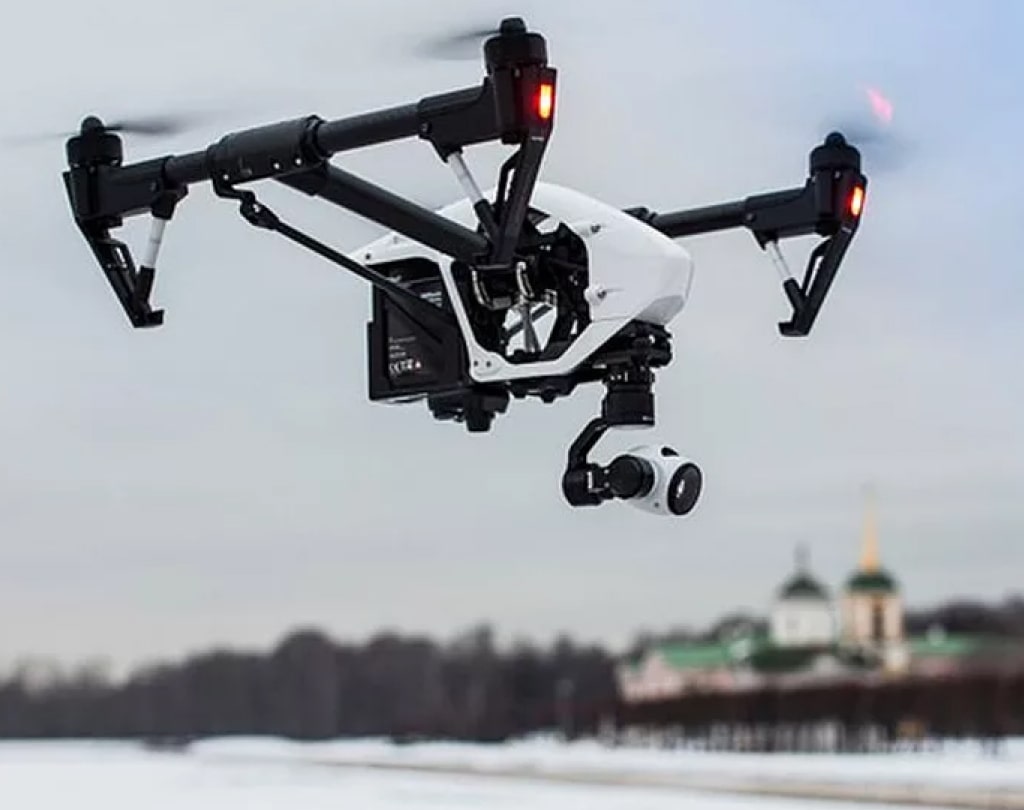
2. ROBOTIZATION AND DRONES
We are moving to the construction site! We start to act without noise and dust according to the newly approved (digital) plan (construction site)! To architectural design in the style of Zaha Hadid not become a nightmare for the contractor and the customer, the foreman will organize and control all the work on site with the same BIM (Autodesk BIM 360).
Around the site, instead of doves, a UAV will fly, collect and transmit to the foreman all information about the progress of work in real time. Robots and autopilot technicians will do heavy, monotonous, dangerous work. And if you need to build everything even faster, we will build everything from modules printed on industrial 3D printers, or we will print the building at once!
If you want to manage STRETCHY ROBOTS, you should choose one of the professions of the future, such as:
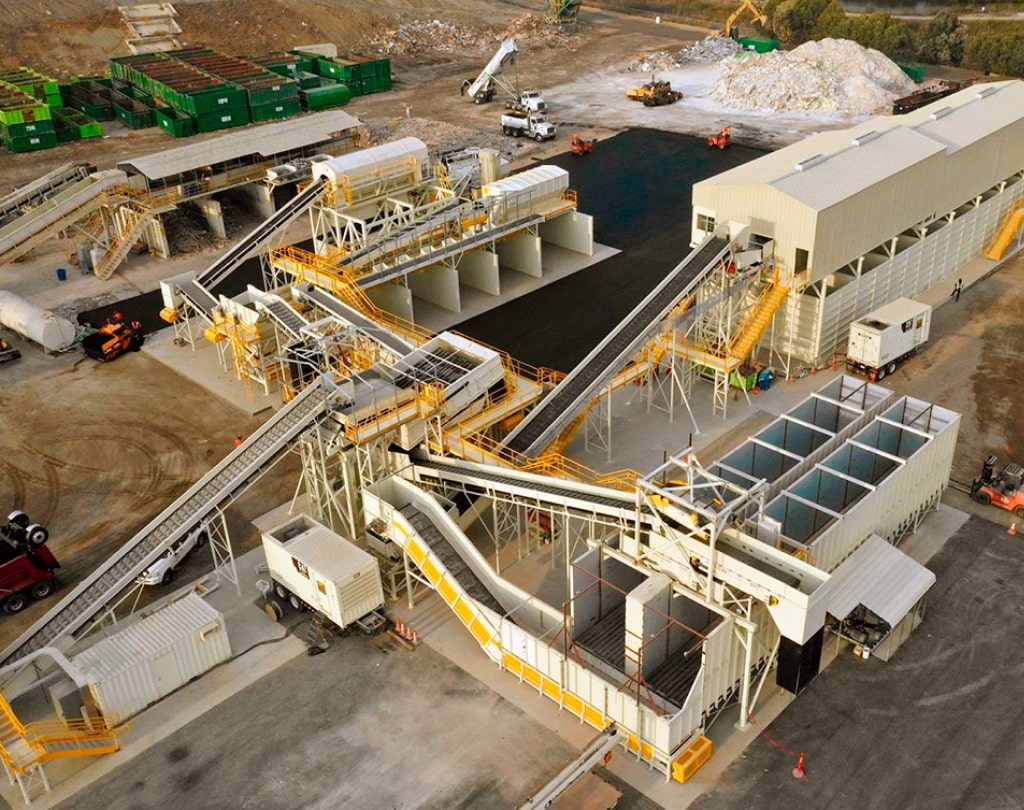
3. ECOLOGIZATION OF TECHNOLOGICAL STEPS
With how to work quickly, qualitatively, effectively on a building project and in the construction industry in general in XXI century, we have understood! It's time to look around and start thinking out of the box! What do we mean by that? Ecology of the industry. Sustainable development of the industry.
Today nobody will want to live in a "asbestos" house, even if the building was built quickly, qualitatively and efficiently. To continue emitting huge amounts of CO2 while producing cement and not to try to find an environmentally friendly solution is not a far-sighted strategy, especially against the background of global warming. To persist in taking construction waste to landfills and not to recycle it means to bury new opportunities in the ground without even trying to realize them.
Construction, as an industry, as a business, as an area of knowledge and skills, will continue to grow and develop, but on its branches will appear a lot of "green" projects, "green" technological solutions, which will make possible the development of the industry for many, many generations ahead.
For those who want to work on ECOLOGYSTEMS, we recommend choosing one of the following occupations:
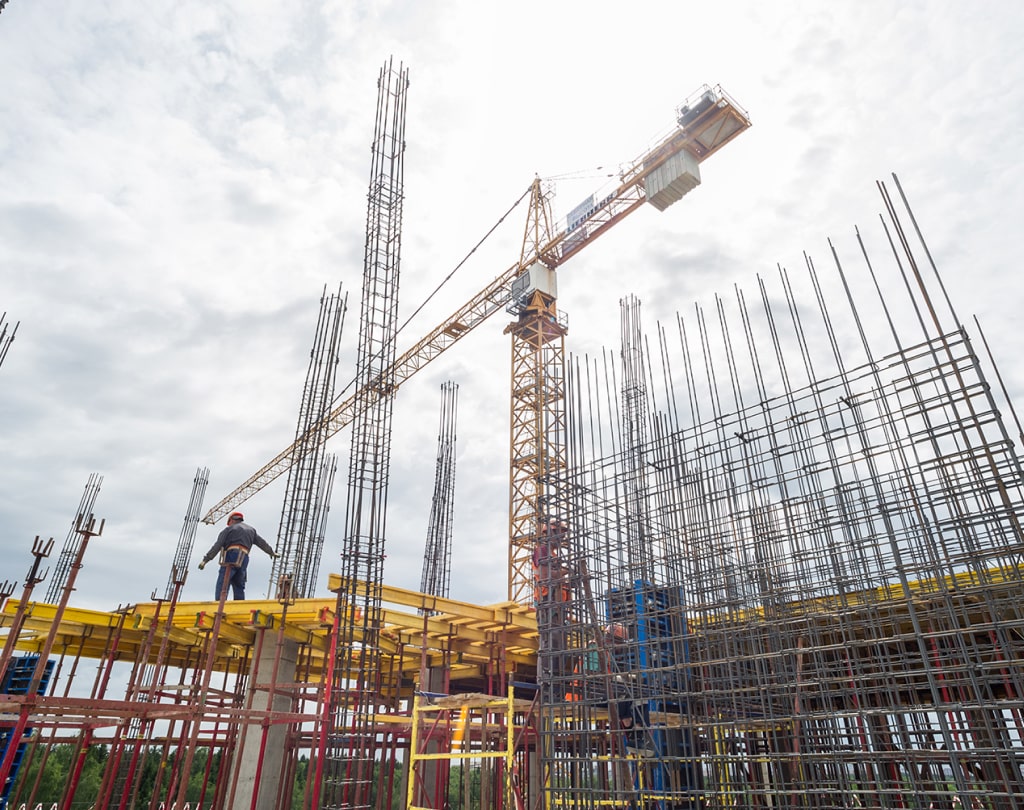
4. CONSTRUCTION RENOVATION
In order to start a long way to greening of construction, the first step should be taken. Such a step may be the renovation of the existing housing stock. First of all, we mean improving energy efficiency in buildings.
The modern technologies allow for better heat preservation, more rational use of electricity and water - these are the simple steps that start the "green" concept in construction.
If you love your city or aul and want our common home to remain beautiful, warm and cozy, you will be interested in the theme of RENOVATIONS in construction:

A designer skilled in generative design
Year of appearance: 2025


Big Data analyst in construction
Year of appearance: 2025-2030

Construction Innovation Manager
Year of appearance: 2025-2030

Construction renovation specialist
Year of appearance: 2025-2030

Construction robot / robotics operator
Year of appearance: 2030-2035

Construction waste processing engineer
Year of appearance: 2030-2035
Digital designer (BIM specialist)
Year of appearance: 2025

Dispatcher UAV
Year of appearance: 2025

Energy Saving Technologies Engineer
Year of appearance: 2025-2030
Foreman with BIM skill
Year of appearance: 2025-2030

Process engineer for the development of environmentally friendly building materials
Year of appearance: 2030-2035

Recycled plastic road construction technologist
Year of appearance: 2025-2030

Robotics technician
Year of appearance: 2030-2035

Smart Home designer
Year of appearance: 2025

Smart road design specialist
Year of appearance: 2025-2030

Sustainability Specialist
Year of appearance: 2025-2030

Virtual designer
Year of appearance: 2025

Architects of buildings and structures⇒Architect 2.0
Transformation year: 2030

City Planners & Other Planners⇒ City Planner 2.0
Transformation year: 2030

Civil Engineer⇒Construction Engineer 2.0
Transformation year: 2025

Construction Inspectors, Quality Control and Occupational Safety ⇒ Digital Construction Inspector, Digital Fire Inspector
Transformation year: 2025

Electrical Engineers ⇒ Smart Grid Engineer
Transformation year: 2030

Engineering professional ⇒ Computational materials engineer, virtual metrology engineer, digital standards engineer
Transformation year: 2025

Operators for the production of products from cement, stone and other mineral materials ⇒ Operator of additive manufacturing in construction
Transformation year: 2025

Surveyors, Cartographers and Related Professionals⇒Digital Cartographer
Transformation year: 2025

Bricklayers and related workers
Year of disappearance: 2030

Concrete and related workers
Year of disappearance: 2030

Construction painters
Year of disappearance: 2035

Construction workers and related workers
Year of disappearance: 2035

Draftsmen
Year of disappearance: 2025

Floor Pliers and Tilers
Year of disappearance: 2030

Glaziers
Year of disappearance: 2030

Insulators
Year of disappearance: 2030
Plasterers
Year of disappearance: 2030
Rebar and cladders
Year of disappearance: 2030

Roofers
Year of disappearance: 2030

Standardization Technician
Year of disappearance: 2030

Stone handlers and stone cutters
Year of disappearance: 2030

Truck drivers
Year of disappearance: 2035

Varnishers, painters and other painters
Year of disappearance: 2035